Nano Banana 2.1 Is Out: Better Images at Half the API Price
Google's Nano Banana 2.1 improves realism, text in images and character consistency, and costs about half as much per 1K or 2K image as Nano Banana 2.
By Yotam Dahan4 min readImage and video
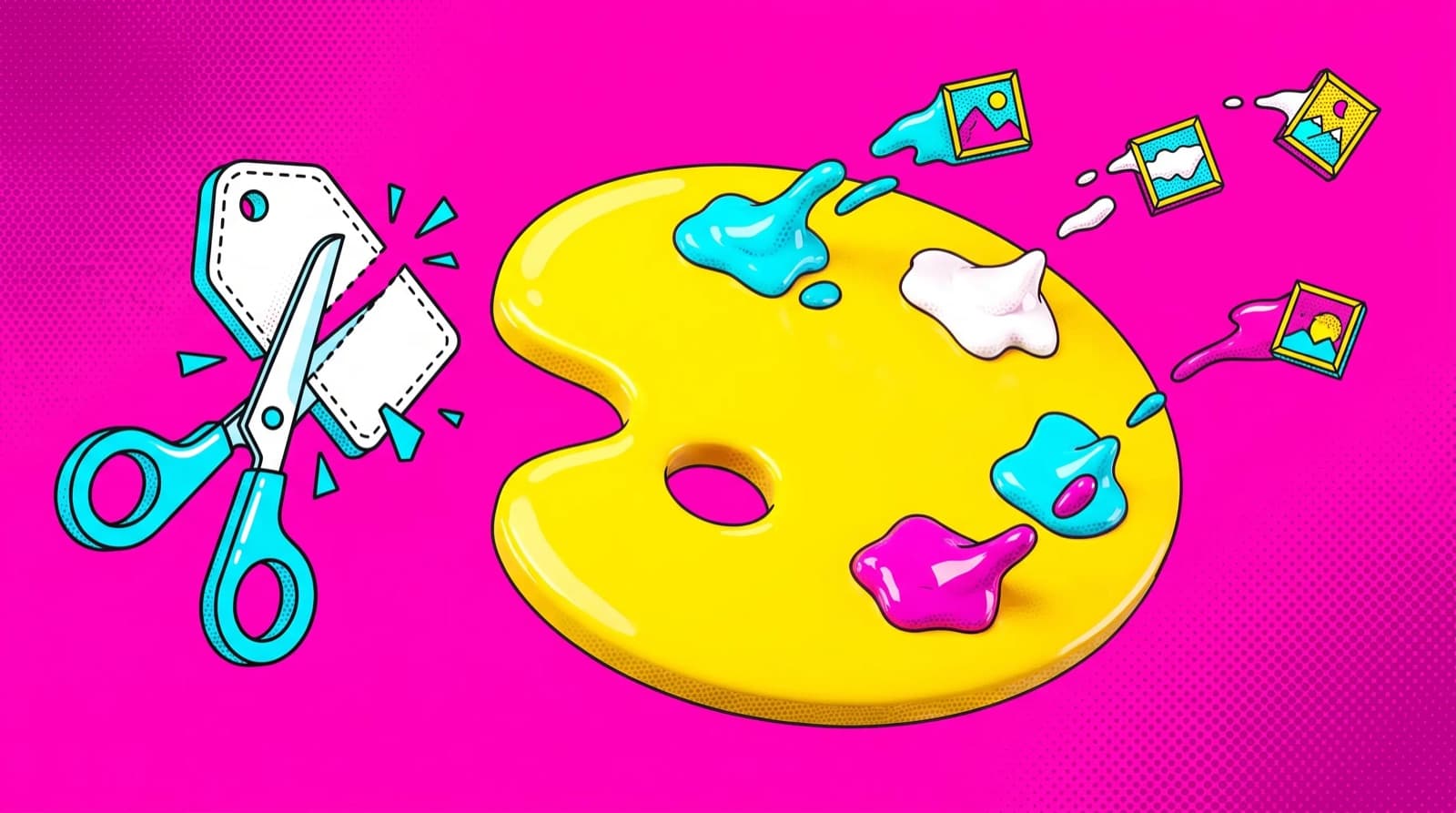
Google released Nano Banana 2.1 on October 6, 2026, an update to its popular Nano Banana 2 image model. It is now generally available in the Gemini API and Google AI Studio, with better realism, more reliable text in images and steadier characters across edits. On the API it costs about half as much per 1K or 2K image as the model it replaces.
What is new in 2.1
The release note and the model page describe an update rather than a new model family. It keeps the speed of a Flash model, Google's faster and cheaper tier, and fixes the things creators complained about most:
- Realism. Google reports clearly better visual quality at 1K, 2K and 4K, with 1K as the default.
- Text in images. Lettering and infographic layouts are more accurate, which matters for ads, thumbnails and social posts.
- Wide formats. Tiling glitches in very wide or tall images (ratios like 4:1 or 1:8) at 2K and 4K are fixed, so banners and panoramas work.
- Consistency. It accepts up to 14 reference images, keeping up to 4 characters and up to 10 objects consistent, which helps with product shots and recurring characters.
- Search grounding. It can look things up on Google Web and Image Search before drawing, useful for real places, products or current events.
You can also set how much it thinks before drawing: minimal, medium (the default) or high. Higher settings take longer and add thinking tokens to the bill.
The price drop, in numbers
Here is what one finished image costs on the paid Gemini API:
per 1K image
per 2K image
per 4K image
Google's standard paid prices for Nano Banana 2.1, checked October 18, 2026. Batch requests cost less.
Compared at the same 2K size, the new model undercuts both its predecessor and Google's premium image model:
From Google's Gemini API pricing page, checked October 18, 2026.
At these prices, 1,000 product images at 2K cost about $50 instead of about $101. Search grounding is billed separately once you pass 5,000 free searches a month, which are shared across Google's newer models.
How it compares
Nano Banana 2.1 is strong, but it is not the top image model right now. On our AI model leaderboard, OpenAI's GPT-Image-2.5 Sunburst, released on September 8 alongside a second version called Flare, sits alone in first place on LMArena's text-to-image board. Nano Banana 2.1 is in the statistical tie for second, together with Grok Imagine Image 2.0 and Microsoft's MAI-Image-2.6.
In practice that means you pick by job, not by rank:
Nano Banana 2.1
High volumes of product shots, social variations and quick edits, where its price is hard to beat.
Nano Banana Pro
Google's premium model, worth testing when one image has to carry a campaign.
GPT-Image-2.5 Sunburst
The current arena leader, for hero images where every detail matters. Test it on the same brief.
How to try it
The quickest route is Google AI Studio, which the model page links for testing. If you use a creative tool such as an image app or a design platform, check whether it now lists Nano Banana 2.1, because developers have been told to move off Nano Banana 2.
Conversational editing is where this model shines: you make an image, then refine it in plain words.
- You:
Place my ceramic mug from the photo on a light oak café table by a window, soft morning light. Keep the glaze color exactly as in my photo.
- Gemini:
Here is the mug on an oak table with soft light from the left window and a blurred café in the background.
- You:
Warmer tones, and add a little steam rising from the coffee.
- Gemini:
Updated with warmer light and a thin wisp of steam above the cup.
For product images you will reuse, give the model the same short brief each time so results stay consistent:
Use the [NUMBER] reference photos of [PRODUCT] I attached. Keep its shape, color and label exactly as shown.
Scene: [SETTING, FOR EXAMPLE A MARBLE KITCHEN COUNTER]. Light: [FOR EXAMPLE SOFT DAYLIGHT FROM THE LEFT].
Format: [ASPECT RATIO], 2K. Leave empty space on the [SIDE] for text.
No extra objects with logos, no people, no added text.
What to watch next
- The Gemini app. Google's October 6 note covers the API and AI Studio. Watch the Gemini app's release notes for when 2.1 powers image creation there.
- Nano Banana 2's shutdown date. It is deprecated with no end date yet. If a tool or automation still calls it, plan the switch now.
- More image launches. GPT-Image-2.5 and Nano Banana 2.1 arrived four weeks apart, and rankings are moving fast. Check the leaderboard before you commit to one model for a big project.
If you want to build a full workflow for product photos, ads and short videos with these tools, our Creators course walks through it step by step.
Sources
Frequently asked questions
Is Nano Banana 2.1 free?
Not through the API: Google lists no free tier for it, only paid prices per image. Its model page links to Google AI Studio for testing.
What is the difference between Nano Banana 2.1 and Nano Banana Pro?
Google positions 2.1 as the more efficient counterpart to Nano Banana Pro (Gemini 3 Pro Image), which stays its premium image model. Pro costs $0.24 per 4K image on the API, against $0.113 for 2.1.
What happens to Nano Banana 2?
Google deprecated its model code, gemini-3.1-flash-image, on October 6, 2026 and tells developers to move to gemini-nano-banana-2.1. No shutdown date has been announced yet.